
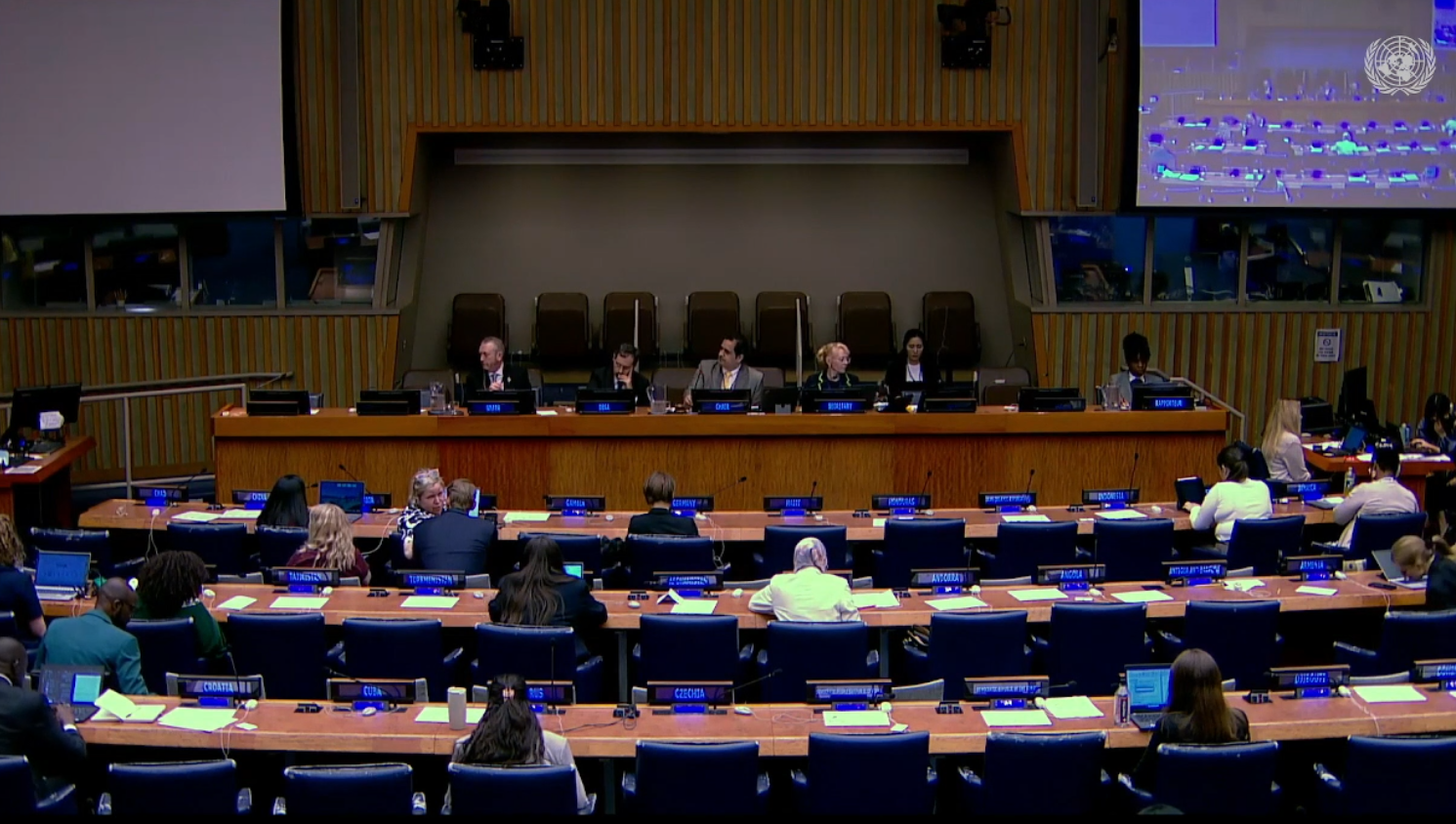
NEW YORK, 14 April 2026 — Professor Dr. Joseph Akinkugbe Adelegan, Executive Director of Partners in Population and Development (PPD), delivered a compelling statement today at the 59th Session of the United Nations Commission on Population and Development (CPD59). Addressing the General Debate at the United Nations Headquarters, Professor Adelegan outlined a bold vision for closing the persistent gaps in global maternal health, family planning, and digital equity through innovative financing and South-South Cooperation.
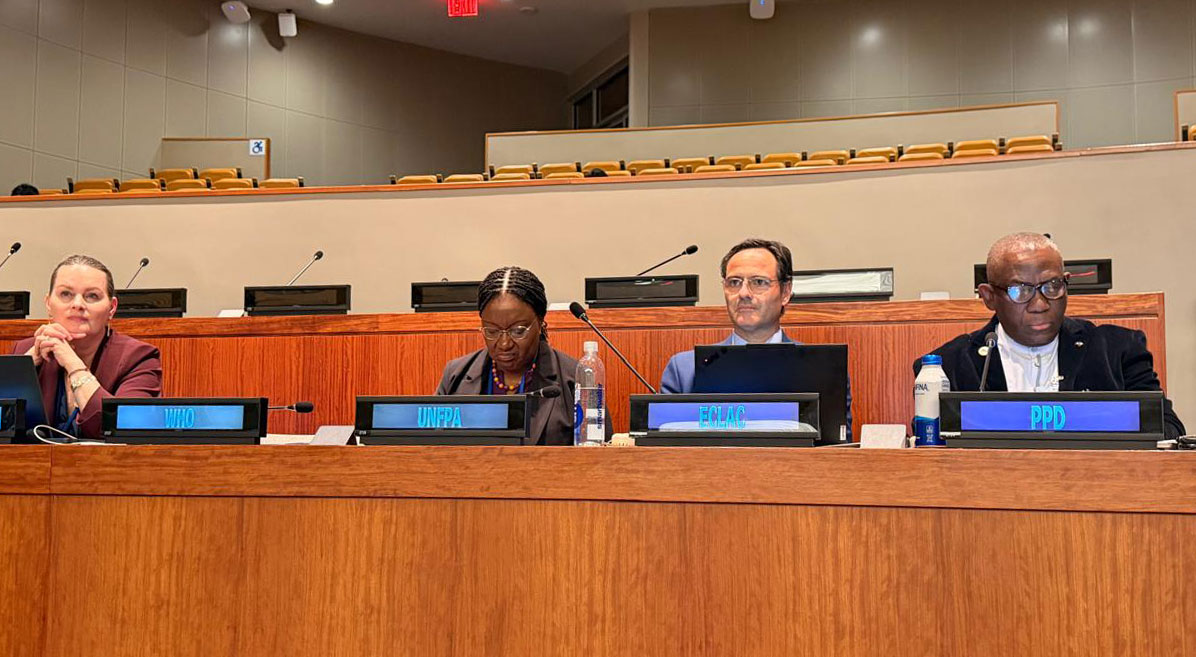
The 59th Session, held from 13 to 17 April 2026, convened under the theme of population, technology, and research in the context of sustainable development. Speaking on behalf of PPD’s 28 member countries—which represent nearly 60 percent of the global population—Professor Adelegan acknowledged the progress made since the International Conference on Population and Development (ICPD), while starkly highlighting the challenges that remain.
In his address during the first day of the plenary session of the Commission, Professor Adelegan presented sobering statistics that underscore the urgency of the moment. He noted that while 380 million women and girls in low- and lower-middle-income countries are now using modern contraception, the global maternal mortality ratio remains unacceptably high at 197 deaths per 100,000 live births—far above the Sustainable Development Goal (SDG) target of less than 70 .
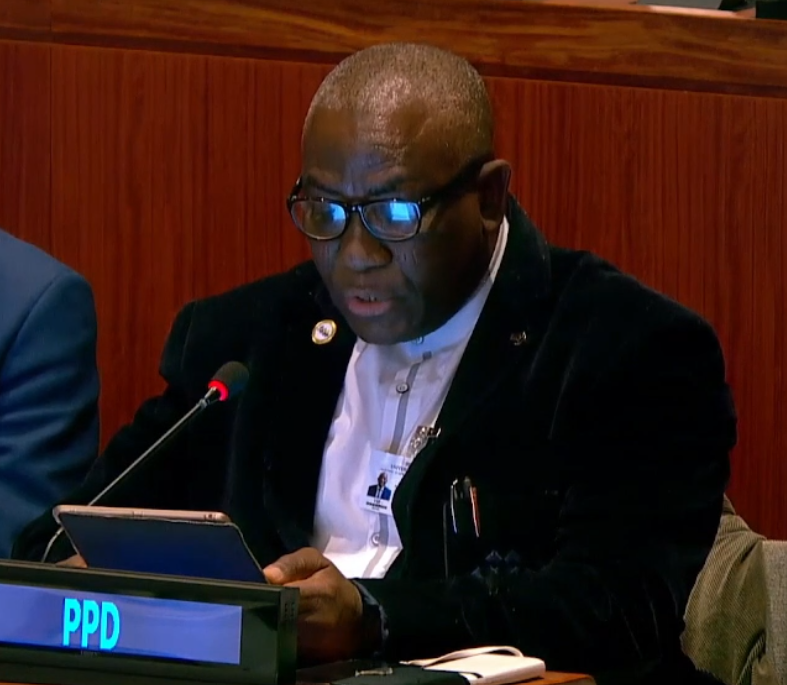 “The evidence is clear: progress has been made, but the gaps remain too wide,” Professor Adelegan stated. “Globally, about 260,000 women died in 2023 from causes related to pregnancy and childbirth, and 92 per cent of those deaths occurred in low- and lower-middle-income countries.”
To address these disparities, the Executive Director proposed a comprehensive three-pillar framework:
- Investing in Primary Health Care: Prioritizing midwifery, community health workers, commodity security, and rights-based family planning.
- Closing the Digital Divide: Moving beyond infrastructure to invest in local research capacity, data governance, and digital literacy.
- Bridging the Financing Gap: Utilizing both traditional and innovative financial instruments to meet the estimated US$4 trillion annual SDG financing shortfall.
A central theme of the Executive Director’s address was the critical need for innovative and catalytic financing. With traditional Official Development Assistance (ODA) under pressure, Professor Adelegan emphasized that new financial models are essential to safeguard hard-won gains in reproductive health.
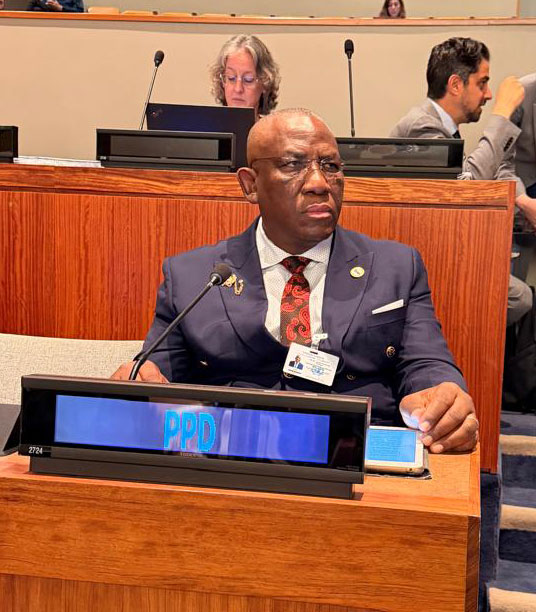 He highlighted that an additional US$79 billion investment by 2030 in family planning and maternal health would generate approximately US$660 billion in economic benefits, yielding nearly US$27 in health and economic returns for every dollar invested . To unlock this potential, he advocated for mechanisms such as blended finance, results-based financing, pooled procurement, and social impact bonds to de-risk investments and crowd in private capital.
Concluding his statement, the Executive Director issued a clear call to action to the international community.
“The message from this Commission should be clear: the ICPD agenda is achievable, but only if we match political declarations with data, technology, financing and implementation partnerships.”
PPD remains steadfast in its commitment to working alongside Member States, the United Nations system, and development partners to scale best practices, mobilize catalytic financing, and accelerate the delivery of the ICPD Programme of Action.
